Start before your season
Beginning treatment a week or two before pollen season peaks gives better control than waiting until symptoms are severe.
Sanara Health is an independent comparison platform and marketing affiliate. Links marked * are partner links to UK-registered pharmacies — we may earn commission at no extra cost to you. Learn more
Hay fever & allergies
Seasonal and year-round allergies respond well to antihistamine tablets, nasal sprays and eye drops — supplied after a quick suitability check.
from £7.99
What to look for
Treatment options

Non-drowsy and standard antihistamine tablets for seasonal allergy relief.
Relieves sneezing, itching and runny nose · 1–3 hours
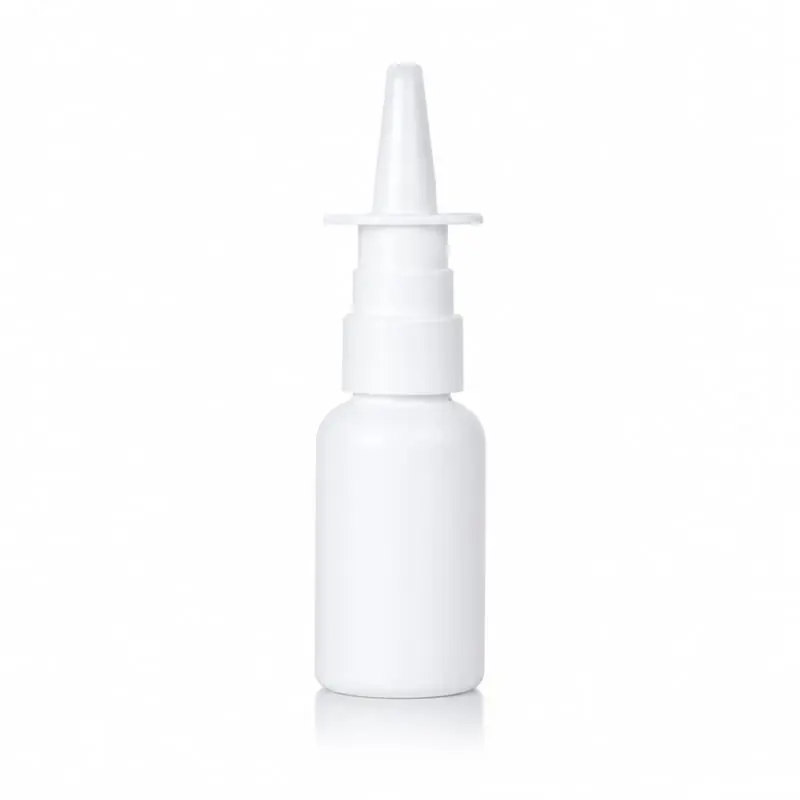
Steroid nasal spray for blocked nose and persistent hay fever symptoms.
Reduces congestion and sneezing · 2–3 days regular use
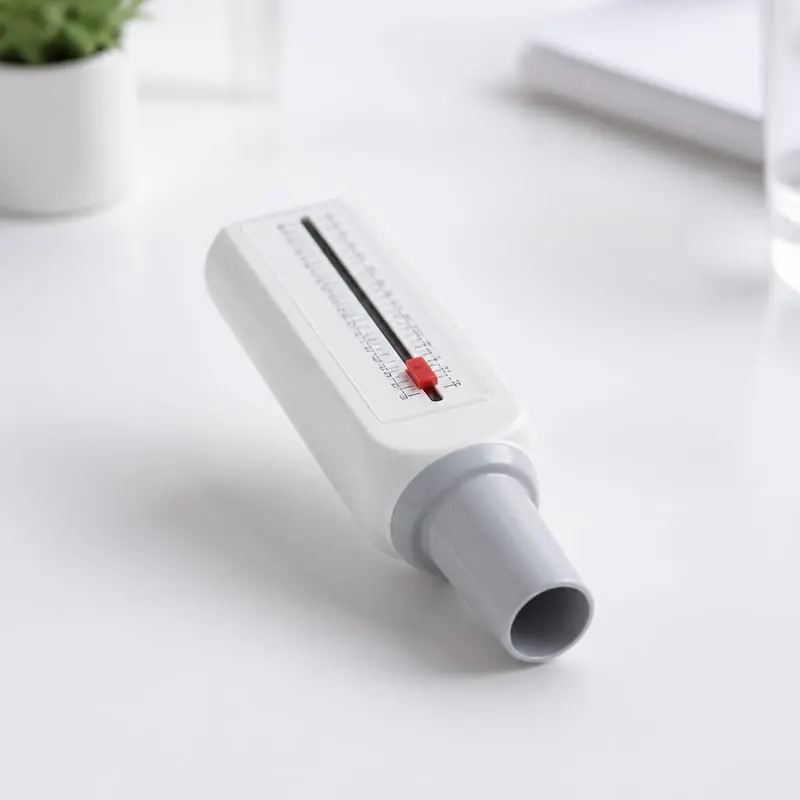
Repeat supply of reliever inhalers for known asthma after clinical review.
Relieves wheeze and breathlessness · Minutes
Beginning treatment a week or two before pollen season peaks gives better control than waiting until symptoms are severe.
Asthma and hay fever often overlap — mention any inhaler use during your assessment so the prescriber can advise safely.
Good to know
Tablets help sneezing and itching; nasal sprays target congestion. Many people combine both during peak season.
FAQs
General information only. Your prescriber confirms what is safe and appropriate for you.
Non-drowsy antihistamine tablets plus a steroid nasal spray if congestion is the main problem. Start 1–2 weeks before pollen season.
Yes — pharmacy antihistamines and nasal sprays are available online after a short suitability check.
Available without a prescription
High-strength vitamin D3 to support immunity, bones and muscles — ideal for UK winters.
Everyday healthConcentrated omega-3 providing EPA and DHA for heart, brain and vision.
Everyday healthA balanced one-a-day multivitamin and mineral to fill everyday dietary gaps.